Why EXTENSION support matters
Organise and produce quality products for ready markets.
Young Farmers Champions Network (YOFCHAN) organises youth into commodity specific PRODUCER GROUPS (PG’s) and through its one on one and digital extension support, it provides them with crop-specific skills, timely agronomic advice, practical mentorship and a clear understanding of what buyers expect.
YOFCHAN does not leave young farmers to grow on their own and search for buyers later. it organises youth into commodity specific PG’s, based on real demand from off-takers who sign memoranda of understanding with YOFCHAN and then equip these groups with the agronomic and post harvest handling skills to produce commodities that meet quality and traceability requirements for the available market
How We Deliver
YOFCHAN technical staff
YOFCHAN enters into a memoranda of understanding with an off-takers, confirming crop, volumes, timing, quality and traceability expectations, it translates Off-taker requirements into a crop calendar, input plan, extension curriculum and clear criteria for selecting and mobilising youth farmers.
Field extension specialists
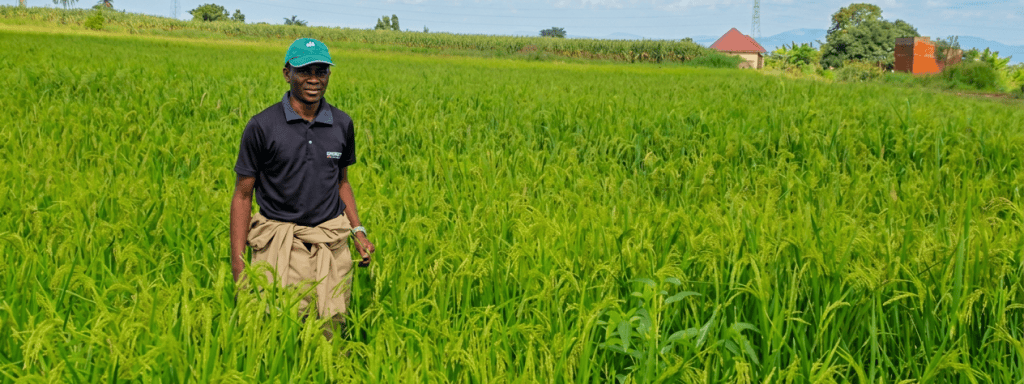
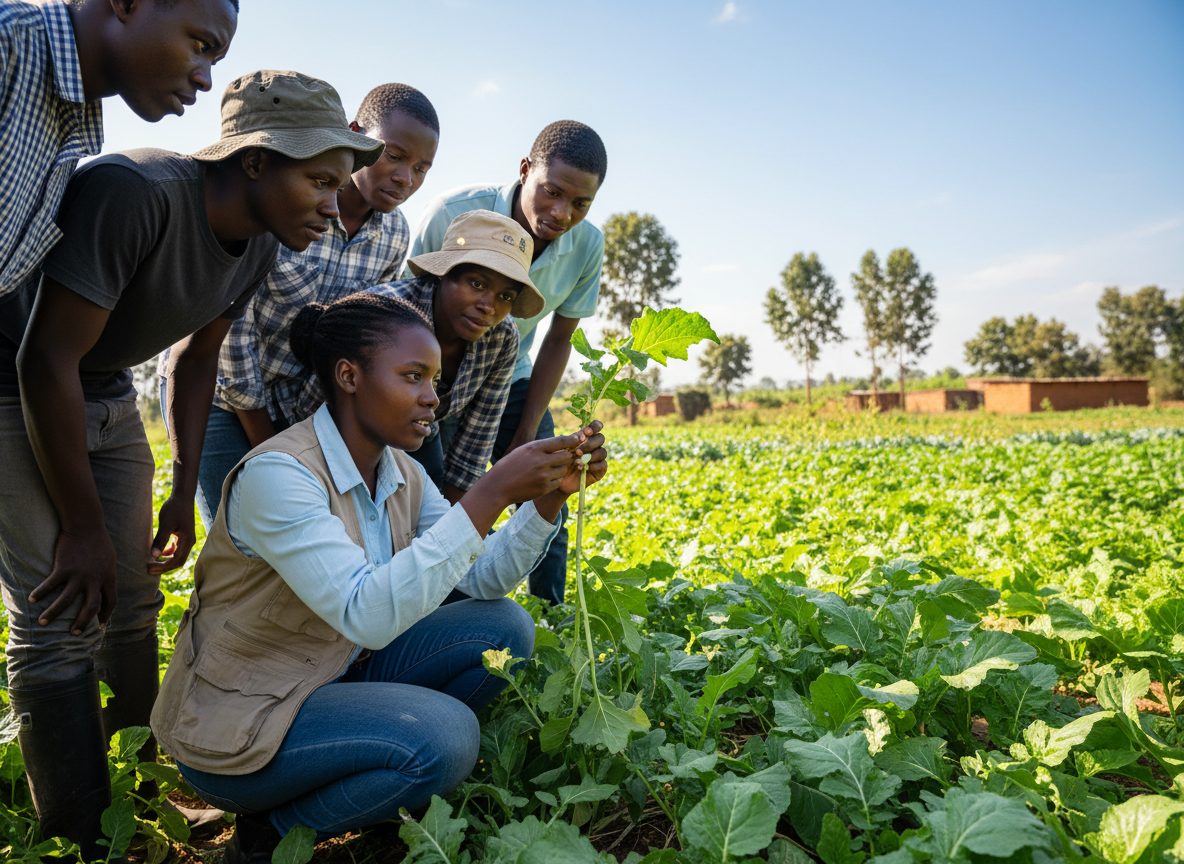
Work through YOFCHAN subregional chapters to equip youth producer groups with good agronomic practices, conducts regular farm visits and crop-stage inspections to ensure young farmers are using the right agronomy at each stage of production.
YOFCHAN Youth Champions as lead farmers
Each producer group has a trained YOFCHAN Youth Champion who runs learning sessions, shares reminders, records simple production and quality data, and reports risks. The Youth Champions support field agronomists and they receive structured training and recognition.
Digital and social media support
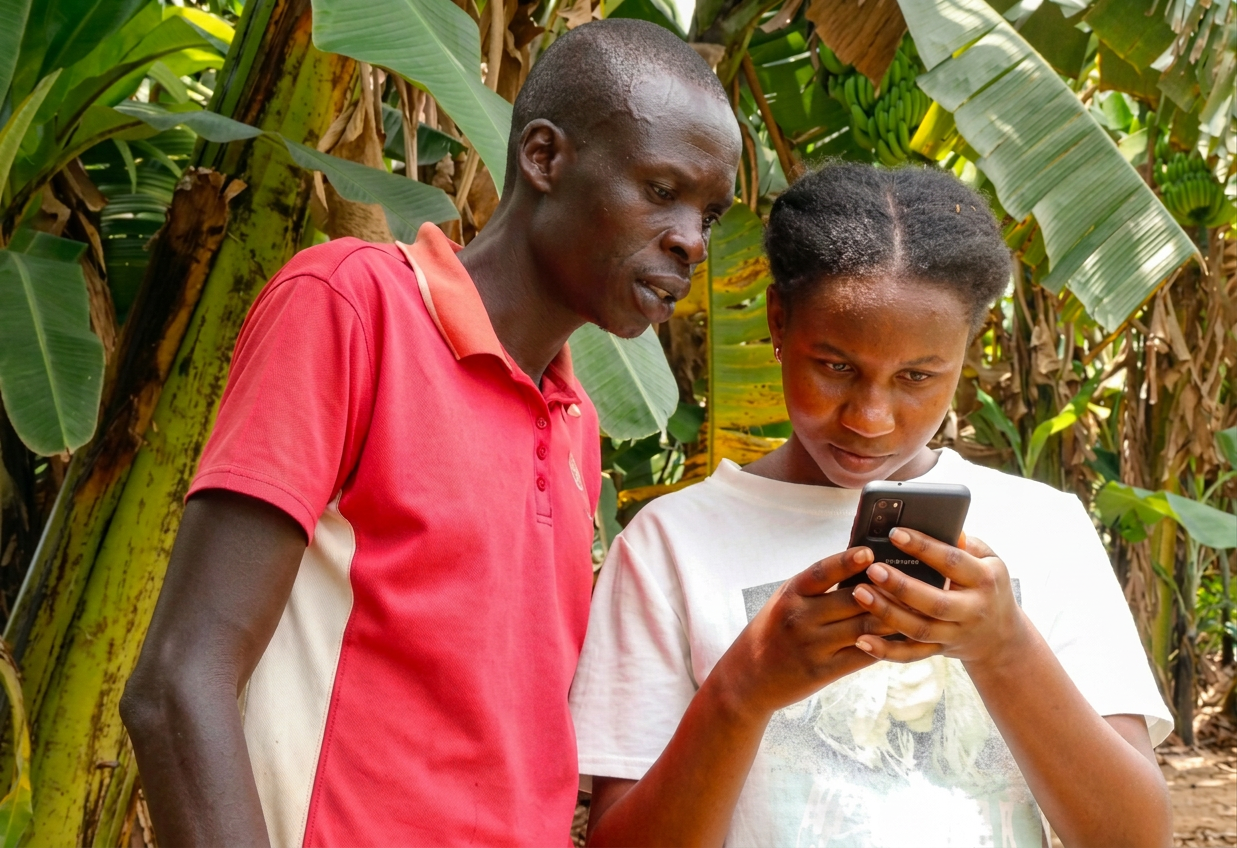
YOFCHAN also uses WhatsApp groups, voice notes in local languages, short videos, photo-based crop checks and weather or risk alerts to provide timely guidance to the producer groups. Farmers without smartphones are supported through calls, local meetings and farm visits so no one is excluded.
Off-taker partners
Buyers who have memoranda of understanding with YOFCHAN share preferred varieties and grades, handling and packaging needs, delivery schedules, weighing and payment terms, and quality expectations. Agronomy advice is designed to help youth groups meet these standards reliably.
The right agronomy at the right moment
Every off-taker agreement is matched with a crop-specific extension calendar, aligned with the crop’s real growth stages, local conditions, sustainability practices and buyer requirements.
Stage 1
Before planting
Off-taker requirements, land assessment, crop budgeting and input planning. Farmers choose suitable crops and varieties, understand expected standards and prepare realistic production plans.
Stage 2
Land preparation and planting
Soil health, drainage, appropriate seed, spacing and timing. Sustainable practices support strong, uniform crop establishment and future productivity.
Stage 3
Growth, flowering and fruiting
Weed control, nutrients, irrigation, scouting and integrated pest management. Climate-smart practices maintain healthy crops and protect marketable yield.
Stage 4
Pre-harvest
Maturity checks, field inspections, safe pesticide intervals and off-taker specifications. Farmers reduce the risk of rejection and protect food safety.
Stage 5
Harvest, delivery and sale
Harvest timing, hygiene, sorting, grading, weighing and traceability records, followed by payment reconciliation. Transparent, quality-compliant transactions build trust with off-takers.
Stage 6
Post-season learning
Profitability review, farmer feedback and lessons learned on agronomy, quality and group organisation. Learning feeds directly into the next contract and season.
The quality-to-market loop
Too often farmers only hear why produce was rejected at the end of the season. YOFCHAN reverses this, integrating quality and safety requirements into production training and support from the very first step.
Step 1
1. Define quality and standards before planting
Obtain the off-taker’s written specifications and explain them clearly to every farmer in each production group.
Step 2
2. Teach quality on the farm
Demonstrate the agronomic and handling practices that influence size, maturity, appearance, traceability and food safety.
Step 3
3. Inspect during production
Use scheduled field visits and simple digital checklists to monitor practices, spot problems early and adjust advice.
Step 4
4. Verify before harvest
Sample and inspect produce against agreed acceptance criteria, documenting quality and compliance issues.
Step 5
5. Measure at delivery
Record accepted and rejected volumes, reasons for rejection and any corrective action agreed with farmers and off-takers.
Step 6
6. Use results to improve production
Use rejection and performance data to refine training content, field support, group organisation and production planning for the next season.
No quality system can guarantee that all produce will be accepted. YOFCHAN’s approach helps farmers understand requirements, reduce avoidable losses, and resolve disagreements using clear procedures and transparent records.
Transparent contracts that protect young farmers
YOFCHAN’s credibility rests on fair, production-focused relationships with both off-takers and farmers. Before planting, the agreement with the buyer and the farmer contract clearly ensures;
Shared responsibility: farmers follow agreed agronomic and quality practices and deliver compliant produce. YOFCHAN and its off-takers honour their production and purchasing commitments, and any uncertainty in volumes or prices is communicated honestly.
What every contract makes clear
- Crop, agreed variety, indicative quantity and delivery window
- Quality and traceability specifications, and how acceptance will be assessed
- Price or pricing formula, any deductions and weighing procedures
- Who supplies inputs, how they are financed and any costs deducted from sales
- Collection, transport and post-harvest handling responsibilities
- Payment deadlines, how farmers receive sales statements and what records are shared
- How crop failure, extreme weather, pest outbreaks and other unavoidable risks are handled
- How disputes are resolved, how contracts can be adjusted, and exit terms for either party

